Every year, millions of Americans rush to meet the IRS deadline to file their taxes, but many still end up missing it. Whether due to lack of preparation, missing documents, or simple oversight, late tax filing can have serious financial consequences. If you’re wondering what happens if you file taxes late in 2025, it’s important to understand that the IRS doesn’t take missed deadlines lightly. Failing to file or pay on time can result in penalties, interest, refund delays, and even collection actions. However, the good news is that with proper action, you can minimize the damage and get back on track with professional help from experts like RIWA Tax Services.
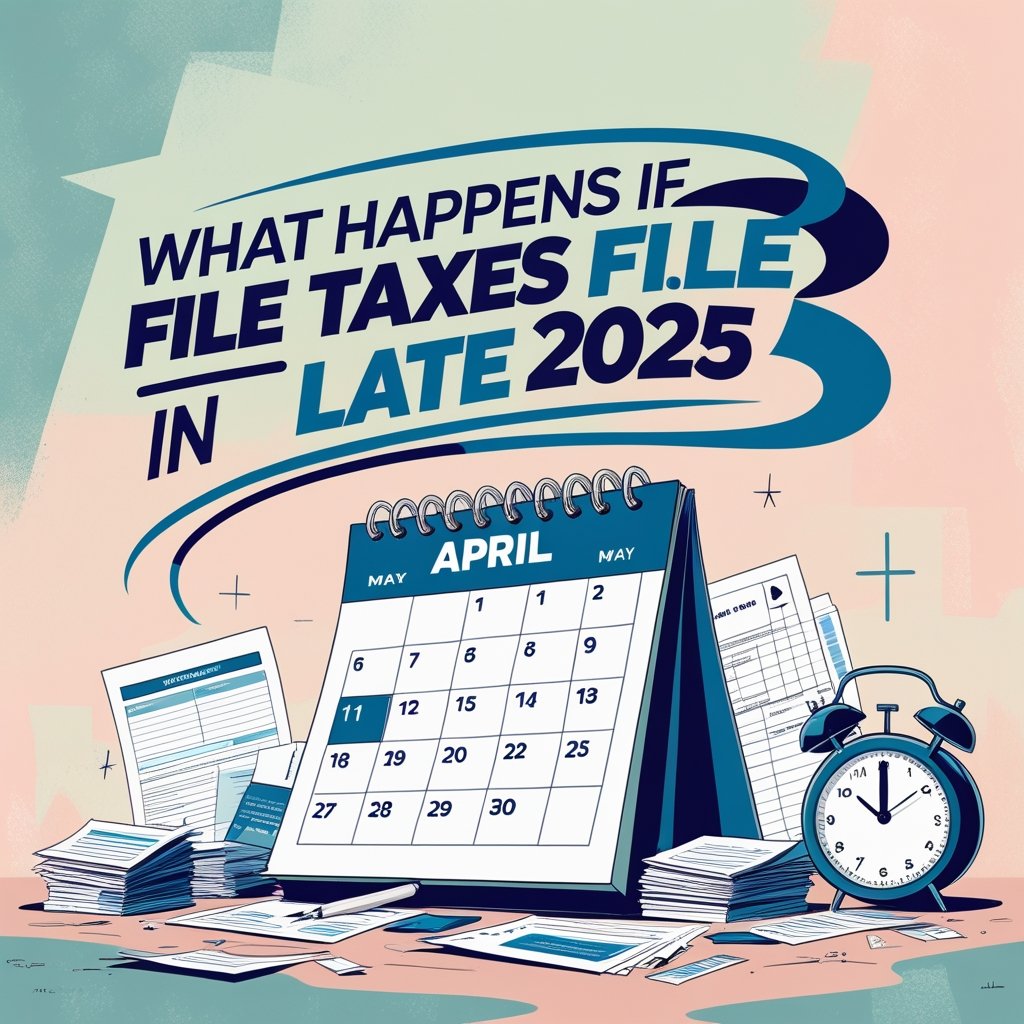
The official tax filing deadline for 2025 (for the 2024 tax year) will likely fall on April 15, 2025. If you miss this date without filing an extension, the IRS begins calculating penalties the very next day. There are two main types of penalties you should know about: the Failure-to-File Penalty and the Failure-to-Pay Penalty. The Failure-to-File Penalty is the harshest — it’s 5% of the unpaid taxes for each month (or part of a month) your return is late, up to a maximum of 25% of your total unpaid taxes. For example, if you owe $2,000 and file two months late, your penalty could already reach $200, plus interest. On the other hand, the Failure-to-Pay Penalty is smaller but still costly — 0.5% of unpaid taxes per month, starting from the day after the due date. While that might seem minor, these penalties compound over time and can significantly increase your balance if left unresolved.
In addition to penalties, interest accrues daily on any unpaid amount from the original due date until it’s paid in full. The IRS adjusts the interest rate quarterly, typically around 8% per year, compounded daily. So, even a few weeks’ delay can make a noticeable difference in how much you owe. If you owe both penalties and interest, the IRS applies payments to the tax first, then penalties, and finally interest — meaning it can take longer to fully settle your balance. If you’re due for a refund, filing late doesn’t result in penalties, but there’s still a risk: you have only three years from the original due date to claim your refund. After that, the money becomes the property of the U.S. Treasury. So, even if you’re owed money, procrastination can cost you your refund entirely.
Another issue with late filing is that it can delay your financial plans. Many people need their tax transcripts or filed returns for loans, mortgages, or visa renewals, and a late return can complicate those processes. Moreover, if you owe taxes and don’t file, the IRS can eventually file a Substitute for Return (SFR) on your behalf. This is essentially the IRS filing your return without deductions, credits, or exemptions you might be entitled to — resulting in a much higher tax bill. Once that happens, it becomes harder to dispute or reduce your liability, so it’s always better to file your own accurate return before the IRS does it for you.
If you realize you’re going to miss the deadline, one of the smartest things you can do is file for an extension. The IRS allows taxpayers to file Form 4868, which grants an automatic six-month extension (usually until October 15). However, it’s crucial to remember that an extension gives you more time to file, not to pay. You still need to estimate and pay any taxes due by April 15 to avoid penalties and interest. Filing an extension also helps you avoid the larger failure-to-file penalty, which is far costlier than the failure-to-pay penalty.
For those already past the deadline, it’s important to act quickly. Even if you can’t pay your full tax bill, file your return immediately — it stops the 5% monthly filing penalty from increasing further. After filing, consider setting up an IRS payment plan or installment agreement to manage your balance. In some cases, you may also qualify for First-Time Penalty Abatement (FTA) if you have a clean filing history and no penalties for the previous three years. This can eliminate or reduce your penalties, saving you hundreds or even thousands of dollars.
The IRS also offers reasonable cause relief if your late filing was due to genuine circumstances beyond your control — such as serious illness, natural disasters, or other emergencies. Providing documentation or a clear explanation may help reduce your penalties, but you must act promptly and communicate with the IRS or a professional tax preparer.
Filing late can also have state-level consequences, since most states follow the federal filing schedule. Missing your state return deadline may lead to additional fines and even license or business registration issues if you own an LLC or corporation. For self-employed individuals, filing late can delay your quarterly estimated tax calculations, cause underpayment penalties, and affect your retirement contributions or health insurance deductions.
In 2025, with IRS enforcement and digital matching systems becoming more advanced, ignoring late filing is riskier than ever. The IRS now cross-verifies W-2s, 1099s, and business income automatically. Late or missing returns can trigger notices like CP14 (balance due) or CP501 (reminder of unpaid tax), and repeated noncompliance can escalate to liens, levies, or wage garnishment. If you’ve received any IRS notice due to late filing, it’s critical to address it immediately rather than letting penalties snowball.
The most effective way to handle a late tax situation is to get professional help. At RIWA Tax Services, we specialize in helping individuals, small businesses, and LLCs file past-due returns, minimize penalties, and negotiate payment plans with the IRS. We understand that life happens — and missing a deadline doesn’t mean it’s too late to fix things. Our experts can review your case, identify penalty relief opportunities, and guide you step-by-step toward resolution. Whether you need help filing overdue returns, calculating your estimated taxes, or preparing an extension for next year, we make the process smooth and stress-free.
In short, filing taxes late in 2025 can lead to mounting penalties, interest, and unnecessary financial stress. But by acting quickly and seeking expert help, you can limit the damage and regain control of your finances. Remember, the longer you wait, the more expensive it gets — but it’s never too late to make it right.
For more Info : Contact us: +1 (972)-996-6644
Email us : info@theriwa.com Visit our website : https://theriwa.com/