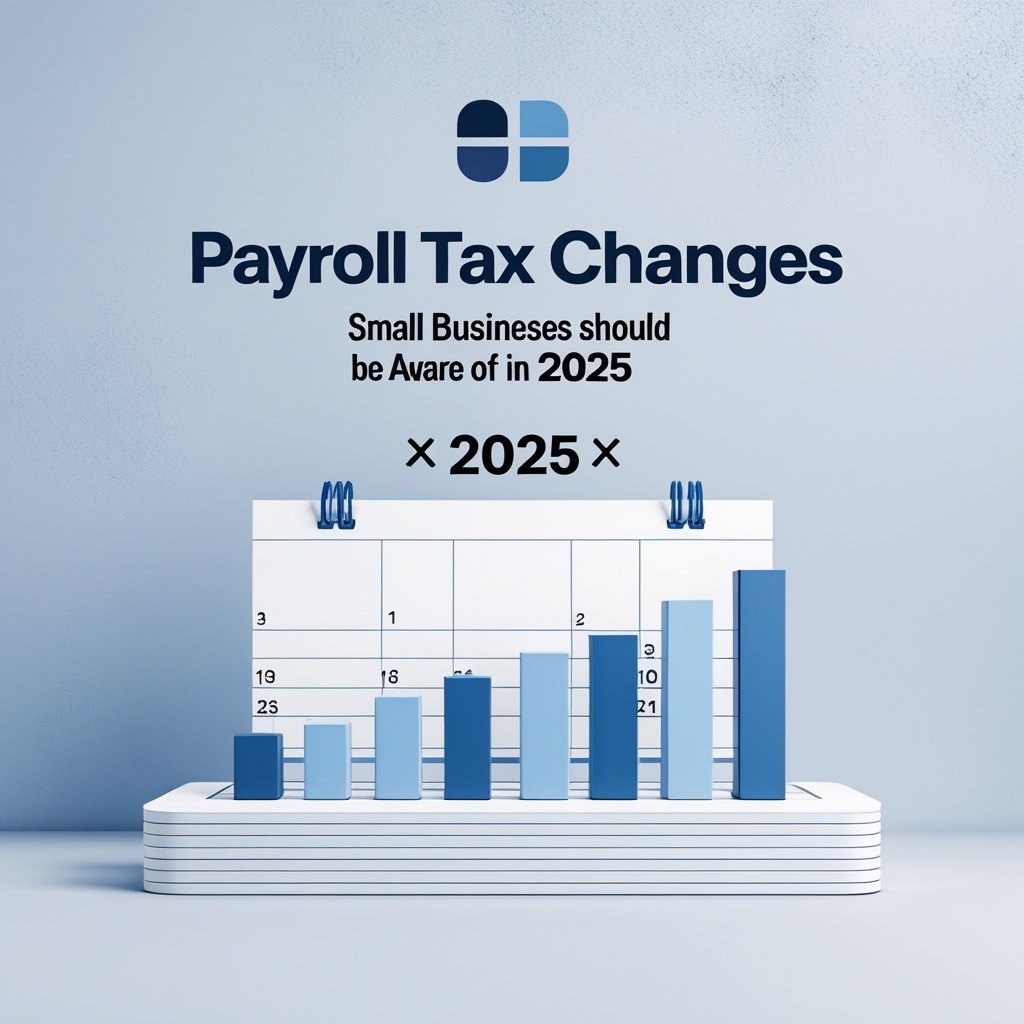
Payroll tax regulations continue to shift each year, and 2025 introduces several important updates that small business owners must be prepared for. Whether you manage a small team or operate a growing company with multiple employees, staying compliant with changing payroll laws is essential for avoiding unnecessary penalties and ensuring smooth financial operations. Understanding these updates early helps business owners plan ahead, adjust payroll systems, and maintain accurate tax filings throughout the year.
- Social Security Wage Base Increased for 2025
One of the most significant payroll updates for 2025 is the increase in the Social Security taxable wage base. This wage base determines the maximum amount of an employee’s income subject to the 6.2% Social Security tax. The IRS has raised the limit again for 2025, following the yearly trend of inflation-based adjustments. As a result, higher-earning employees will contribute more toward Social Security, and employers will also experience higher payroll tax liabilities. Small businesses must update payroll systems to reflect this change and ensure accurate tax withholding to avoid miscalculations or compliance problems.
- Medicare Tax Thresholds Remain the Same
For 2025, Medicare tax rates and thresholds remain unchanged. Employers and employees continue to pay 1.45% each toward Medicare, and any employee earning over $200,000 will still be subject to the additional 0.9% Medicare surtax. Importantly, while employees pay the surtax on income above this threshold, employers do not match it. Payroll administrators must ensure systems automatically apply the additional tax once employees cross the income threshold, particularly for high-earning individuals.
- FUTA Credit Reduction States Continue in 2025
Several states may continue to face FUTA (Federal Unemployment Tax Act) credit reductions in 2025 due to outstanding federal unemployment loans. These states include California, New York, and the Virgin Islands. Employers in these states may have to pay higher FUTA rates, increasing overall payroll tax expenses. Businesses that hire remote workers must also pay close attention, as FUTA obligations depend on state employment locations rather than the business’s physical address.
- Minimum Wage Increases Across Multiple States
Many U.S. states and cities are implementing new minimum wage increases in 2025. States such as California, Washington, New York, Illinois, Colorado, and Florida have announced updated rates, which will directly impact payroll budgets for small businesses. Increased minimum wage requirements also affect overtime calculations and employee classification, making it crucial for employers to stay informed and adjust payroll accordingly.
- Updated IRS Withholding Tables for 2025
Each year, the IRS adjusts federal income tax withholding tables to accommodate inflation changes, bracket updates, and adjustments to the standard deduction. For 2025, these updates will influence how much federal tax is withheld from employee paychecks. Employers must update their payroll systems and encourage employees to review or update their W-4 forms to ensure accurate withholding, preventing issues like underpayment penalties or unexpected tax bills.
- Employee Retention Credit (ERC) Audits Intensify
Although the Employee Retention Credit program ended in 2021, the IRS has intensified audits for claims filed during the pandemic years. Many small businesses filed claims through third-party companies, and the IRS is now verifying these claims for accuracy. If your business claimed ERC, you may be required to submit supporting documentation. Incorrect claims could result in repayment demands, interest charges, or penalties. Small business owners should review their ERC files or seek professional guidance if uncertain about claim validity.
- Updates to Health Insurance and HSA Limits for 2025
The IRS has increased contribution limits and eligibility thresholds for Health Savings Accounts (HSAs) and High-Deductible Health Plans (HDHPs). These updated limits affect payroll deductions and employer contributions for businesses offering health benefits. Employers must revise payroll systems to ensure correct pre-tax deductions and update employees about higher contribution opportunities for 2025.
- Retirement Plan Contribution Limits Adjusted
Retirement plan limits—including 401(k), SIMPLE IRA, and catch-up contributions—have been adjusted for inflation in 2025. Employees can contribute more toward retirement savings, and employers may need to update matching contributions. Payroll systems must reflect these adjustments to avoid compliance errors, especially for employees nearing the maximum contribution limits.
- Updated Rules for Gig Worker Payments & 1099-K Forms
The IRS continues to refine rules for reporting digital platform payments through Form 1099-K. Platforms such as PayPal, Etsy, Uber, DoorDash, and Venmo now trigger reporting obligations for certain income thresholds, expected to settle in the $5,000–$10,000 range for 2025. Small businesses using contractors or freelancers must stay aware of these updates to ensure proper reporting and avoid year-end surprises.
- New State Payroll Tax Programs for Paid Leave
More states are expanding or launching payroll tax programs for Paid Family Leave (PFL), Paid Medical Leave, and Disability Insurance. States such as Colorado, Maryland, Oregon, Washington DC, and Minnesota are rolling out new contribution requirements in 2025. These programs often require both employer and employee contributions, meaning payroll deduction rates must be updated to stay compliant.
How Small Businesses Can Prepare for Payroll Changes in 2025
To stay ahead of tax changes, small businesses should proactively review payroll processes, update software, and train payroll staff on new requirements. Reviewing state-specific payroll laws is especially important for companies with remote workers across multiple states. Small business owners should also verify employee classification rules, as misclassification penalties are increasing. Most importantly, consulting a tax professional ensures accurate compliance and prevents costly IRS issues.
Payroll tax compliance is one of the most important responsibilities for small businesses, and 2025 introduces several updates that employers must understand. From wage base increases to evolving state payroll taxes, staying informed now can save time, money, and stress throughout the tax year.
Need Expert Help With Payroll Taxes in 2025?
RIWA Tax Services provides complete payroll management, quarterly filings, tax compliance support, employee classification guidance, and IRS resolution services for small businesses across the U.S.
For more Info : Contact us: +1 (972)-996-6644
Email us : info@theriwa.com Visit our website : https://theriwa.com/