Filing your taxes for the first time can feel like a big step—and it is! Understanding how taxes work and what steps to follow can make the experience easier and might even result in a refund. This guide will walk you through the essentials and provide tips to make your first tax season a breeze.
- Understand Your Filing Status
Your filing status determines your tax bracket and, consequently, your tax liability. Common filing statuses include:
- Single: You’re unmarried and not part of any other filing status.
- Married Filing Jointly: You’re married and file a joint return with your spouse.
- Married Filing Separately: You’re married, but each spouse files individually.
- Head of Household: You’re unmarried and pay more than half the cost of keeping up a home for a qualifying person. Each status has its own tax brackets, standard deductions, and eligibility requirements for certain credits.
- Know the Documents You Need
To file taxes, you need certain forms to report your income and other financial information accurately. These are some of the common forms you might receive:
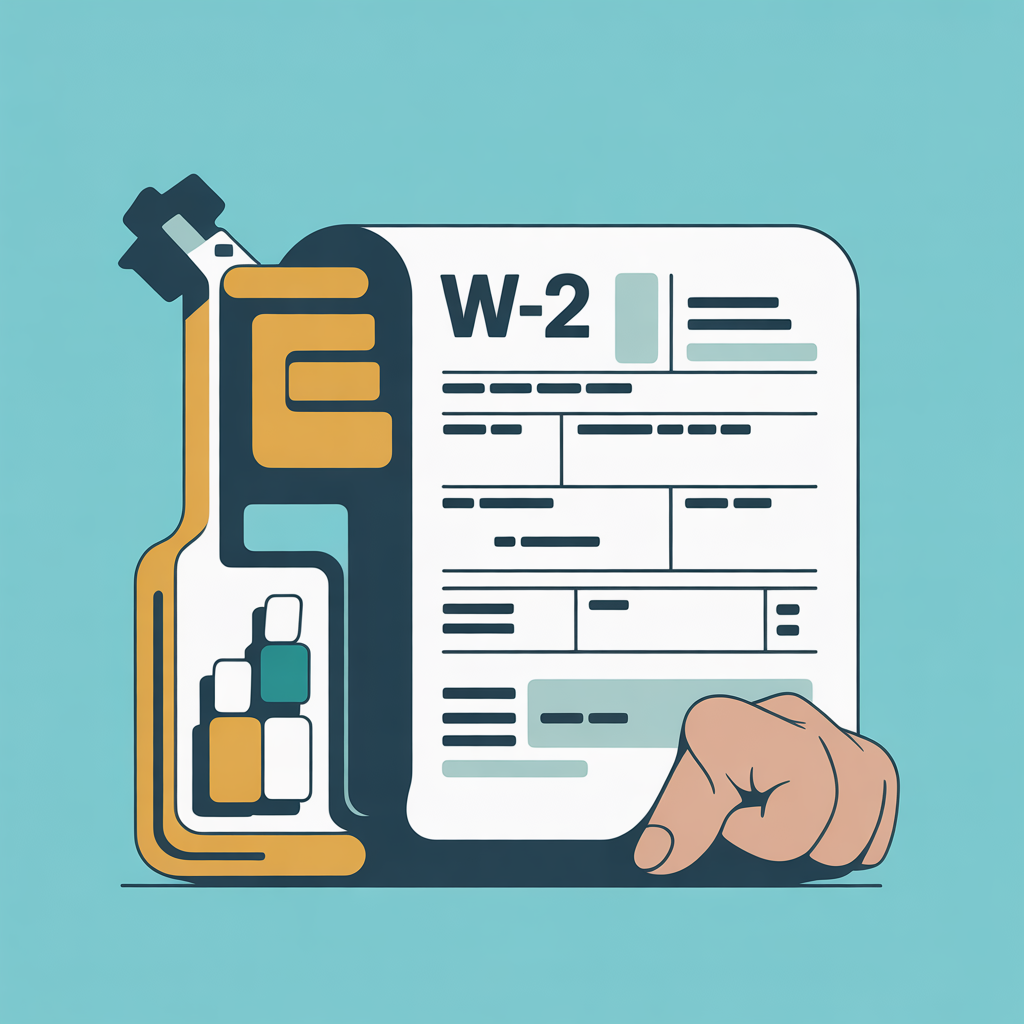
- W-2: Received from employers, this form shows your total income, taxes withheld, and contributions to Social Security and Medicare.
- 1099 Forms: For freelancers, contractors, or anyone who earned income from non-employment sources, 1099 forms detail earnings from other sources like interest, dividends, or gig work.
- 1098: If you paid interest on a student loan or mortgage, you may receive this form detailing your interest payments.
Other helpful documents include any receipts or records for deductible expenses and your Social Security number or tax ID.
- Determine if You Need to File
The IRS doesn’t require everyone to file a tax return. Whether you need to file depends on your:
- Age
- Income level
- Filing status
If your income is below a certain threshold, you may not be required to file. However, filing could be beneficial, especially if you’re eligible for a tax refund through tax credits like the Earned Income Tax Credit (EITC).
- Understand Key Deductions and Credits
Tax deductions reduce your taxable income, while tax credits reduce the tax you owe. Here are a few common ones:
- Standard Deduction: This is a flat deduction amount determined by your filing status. For 2023, it’s $13,850 for single filers and $27,700 for married filing jointly.
- Earned Income Tax Credit (EITC): Aimed at low- to moderate-income workers, the EITC could lower your taxes or even result in a refund.
- Education Credits: If you’re in school or paying off student loans, credits like the American Opportunity Tax Credit or the Lifetime Learning Credit can reduce your tax bill.
- Saver’s Credit: This is a tax credit for contributions to retirement accounts like IRAs or 401(k) plans.
- Decide How to File Your Taxes
You have several options for filing:
- Use Tax Software: Many first-time filers find tax software to be the simplest route. Software like TurboTax or H&R Block guides you through the process step-by-step and may offer free filing options for simple returns.
- File with a Tax Professional: For more complex returns, you may consider working with a tax professional, especially if you have multiple income sources or are self-employed.
- IRS Free File: The IRS offers free filing options through its Free File program if your income is below a certain threshold.
- Check the Deadline
Tax Day in the U.S. typically falls on April 15, but it may vary depending on weekends or holidays. Failing to file by this date can result in late filing penalties, so it’s important to stay on top of this deadline. If you can’t complete your return in time, you can file for an extension, which gives you until October 15 to file your return, though any owed tax payments are still due by April.
- Plan for Your Tax Refund or Payment
After filing, you’ll either receive a refund, break even, or owe additional taxes. You can have a refund deposited directly into your bank account, often the fastest option. If you owe taxes, you can pay directly through the IRS website or set up an installment plan if the amount is substantial.
- Stay Organized Throughout the Year
Staying organized can ease your tax filing process next year. Keep track of deductible expenses, store important documents in one place, and update your withholdings or estimated payments if needed. This organization helps you avoid scrambling for documents and ensures you capture every deduction and credit available to you.
Final Thoughts
Filing taxes for the first time doesn’t have to be daunting. By following these steps, you can navigate your first tax season with confidence. Remember, you can always reach out to a tax professional for guidance, especially if your situation is complex. Embrace this experience as a step towards financial independence, and soon enough, tax season will feel like second nature!