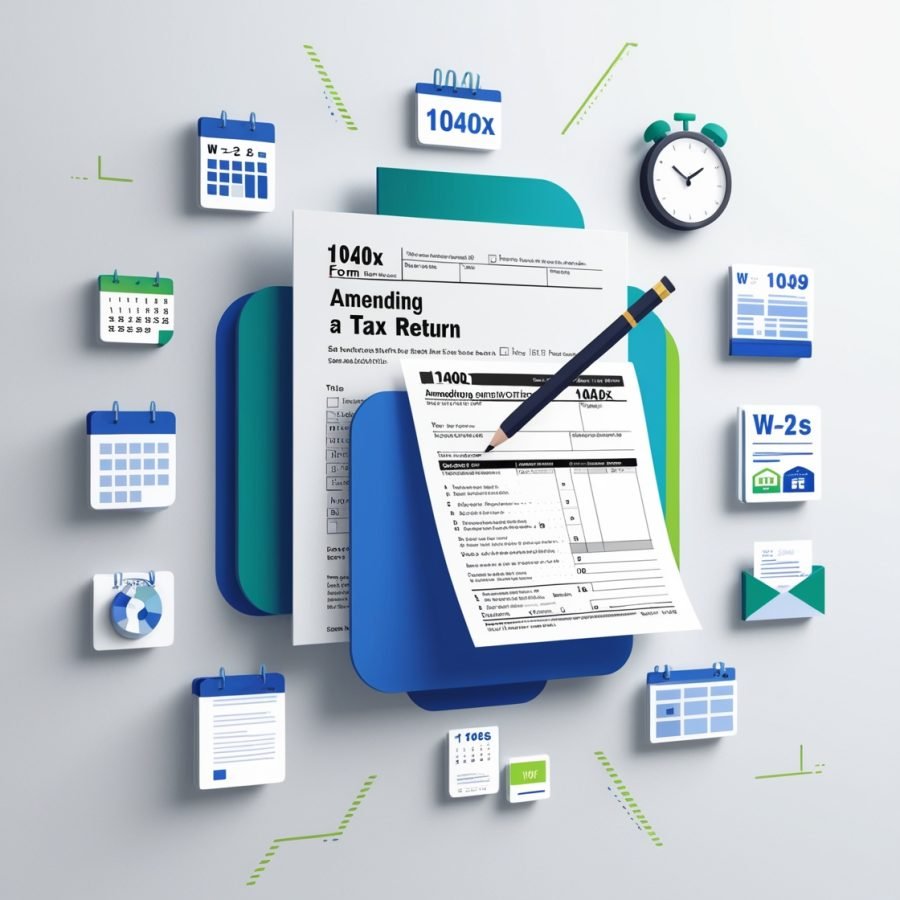
Navigating the world of taxes can be overwhelming, and sometimes, despite our best efforts, we make mistakes on our returns. But if you’ve discovered an error after filing, there’s no need to panic—an amended tax return could be the solution. Here’s everything you need to know about amending a tax return, including when to do it, how long you have, and how to get it right
What Is an Amended Tax Return?
An amended tax return is a revised version of your original return that corrects any inaccuracies or omissions. Mistakes happen, and the IRS understands this, which is why they allow taxpayers to amend their returns if needed. Filing an amended return helps you report accurate information, avoid penalties, and possibly even claim refunds you missed out on.
When Should You Amend Your Tax Return?
Filing an amendment isn’t necessary for every small mistake. If you forgot to attach a supporting document or made a small math error, the IRS often corrects those minor issues on your behalf. However, there are instances when an amended return is the right course of action. Here are some situations where it’s advisable to amend:
- Missing or Unreported Income: Did you forget to report some freelance income, investment earnings, or rental income? Adding this income is crucial to avoid potential penalties.
- Incorrect Filing Status: If you filed under the wrong status (like Single instead of Head of Household), it can impact the tax bracket you fall into, affecting your tax rate and possibly your refund.
- Missed Deductions or Credits: Tax deductions and credits can substantially reduce your tax bill, but they’re also easy to overlook. If you missed out on the Earned Income Tax Credit, Child Tax Credit, or other valuable deductions, an amendment could benefit you.
- Incorrectly Reported Dependents: Errors involving dependents can affect your eligibility for credits and deductions. Ensure all information about dependents is accurate to maximize your benefits.
How Long Do You Have to Amend a Tax Return?
The IRS allows you to amend your return within specific timeframes:
- Three Years from the Original Filing Date: You have up to three years from the date you filed the original return to submit an amendment. If you filed early, the three-year countdown begins from the due date, usually April 15.
- Two Years from the Date of Payment: If you paid additional tax, you have two years from the payment date to make amendments.
For example, if you filed your 2021 return on April 15, 2022, you generally have until April 15, 2025, to submit an amendment for that tax year.
How to Amend Your Tax Return: Step-by-Step Guide
If you’ve realized you need to make changes to your filed tax return, follow these steps for a smooth amendment process:
Step 1: Gather Your Original Tax Return and Relevant Documents
Start by reviewing your original tax return to pinpoint what changes need to be made. Collect any documents that support the adjustments, such as W-2s, 1099s, or receipts for deductions and credits you missed.
Step 2: Fill Out Form 1040-X
Form 1040-X is the official IRS document used to amend returns. This form requires you to indicate the year you’re amending and provide an explanation for the changes.
Filling Out Form 1040-X:
- In Column A, enter amounts from your original return.
- In Column B, show the difference between your original and amended amounts.
- In Column C, provide the updated amounts, reflecting your corrections.
Step 3: Attach Additional Forms or Schedules
If your amendment involves additional income or deductions, you’ll need to attach the relevant schedules. For instance, if you’re adding self-employment income, attach a Schedule C. Make sure all additional forms match the changes indicated on Form 1040-X.
Step 4: Submit Your Amended Return
Depending on the tax year and filing status, you may be able to e-file your amended return. Tax years 2019, 2020, and 2021 can be amended electronically if they were originally filed electronically. However, if you filed on paper or need to amend an older return, you’ll need to mail Form 1040-X to the IRS.
Step 5: Track Your Amended Return’s Progress
Once submitted, you can track your amended return’s status with the “Where’s My Amended Return?” tool on the IRS website. Remember, amendments can take up to 16 weeks (or longer during peak tax season), so patience is key.
What Happens After You Amend Your Return?
After you file an amended return, the IRS will review your changes. If they accept the amendment, they’ll adjust your tax account accordingly. Here’s what to expect:
- If You’re Owed a Refund: The IRS will issue the additional refund once they confirm the amendments.
- If You Owe Additional Taxes: If the amendment results in a tax bill, the IRS will send you a notice to pay the remaining balance. Paying any owed balance promptly will help you avoid interest and penalties.
Common Mistakes to Avoid When Amending a Return
Filing an amended return can be straightforward, but it’s easy to make mistakes. Avoid these common pitfalls for a smooth experience:
- Filing an Amendment Too Soon: Ensure the IRS has fully processed your original return before submitting an amendment, especially if you’re waiting on a refund.
- Missing Documentation: When making changes, include all necessary schedules and forms. For example, if adding new income, attach the corresponding W-2s or 1099s.
- Not Explaining Changes Clearly: Use the explanation section on Form 1040-X to clarify the changes. The more specific you are, the easier it is for the IRS to review your amendment.
- Ignoring State Amendments: If you amend your federal return, check if you need to amend your state return as well, as many states require a corresponding amendment.
When Not to File an Amended Return
While amending can be beneficial, it’s not necessary for every minor error. Here are a few examples where it may not be needed:
- Mathematical Errors: The IRS often corrects simple math errors.
- Missing Forms: If you forgot to attach a W-2 or 1099, the IRS typically reaches out to request it.
- Small Refund Discrepancies: If the IRS adjusts your refund slightly due to a minor mistake, it might not be worth filing an amendment.
Final Tips: Avoiding Future Amendments
The best way to avoid amending returns is to file accurately the first time. Here are a few tips to help you get it right:
- Organize Your Documents: Gather all income statements, receipts, and tax documents before starting.
- Review Eligibility for Credits and Deductions: Stay informed on tax credits and deductions that apply to you to avoid missing out.
- Double-Check All Information: Go over each entry carefully, especially your income, filing status, and personal information, to avoid errors.
Conclusion: Correcting Your Tax Return Is Easy and Worthwhile
Amending a tax return can seem intimidating, but the process is manageable with the right steps. Whether it’s for unreported income, missed deductions, or incorrect filing status, amending your return ensures that your tax records are accurate and up to date. If you’re unsure about filing an amendment, consulting a tax professional can provide peace of mind and ensure you’re on the right track.
Filing an amended tax return helps you stay compliant, potentially increase your refund, and keep your tax records correct. Mistakes happen, but with this guide, you have everything you need to fix them and get back on track.